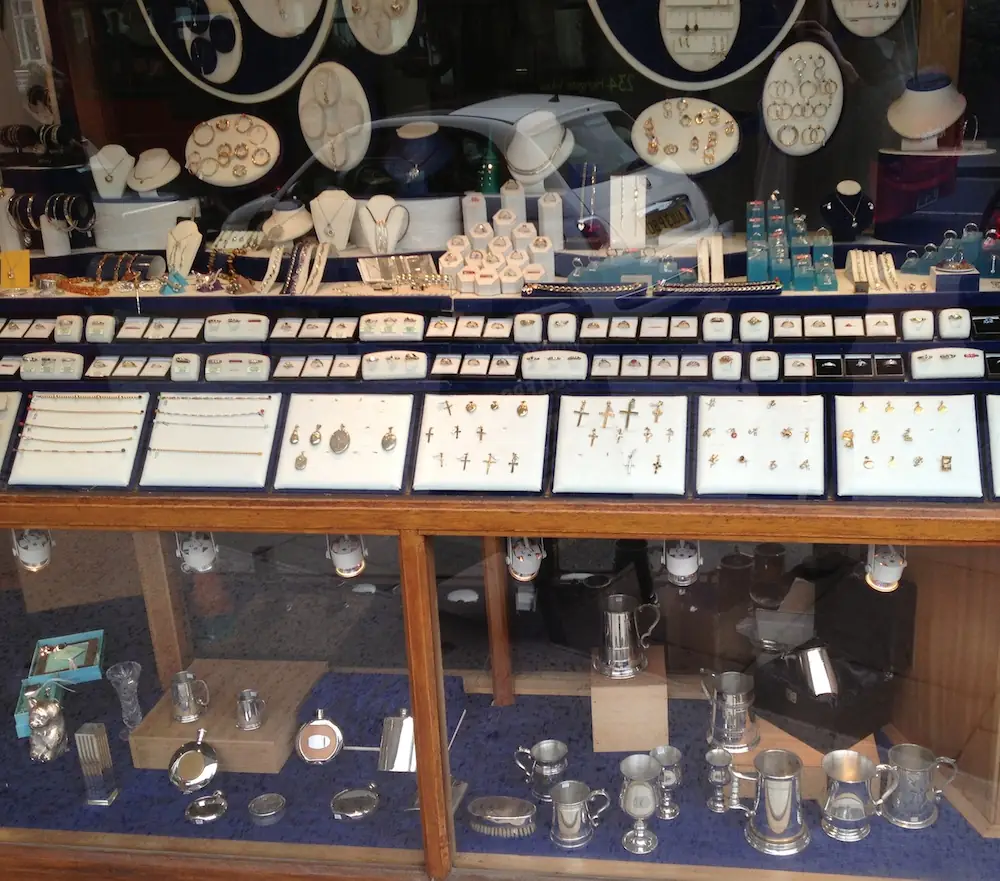
- Beginning inventory plus purchases, minus ending inventory, is the usual path to cost of goods sold.
- Unsold finished goods belong in ending inventory.
- One set of books for markets, a shop and any online sales is easier than three notebooks that never meet.
A count you can actually finish
At year end, count unsold finished work and the materials or merchandise you still have, at what they cost you. Add last year's ending number as this year's beginning inventory. Purchases during the year go in the middle. The IRS explains cost of goods sold on Schedule C and in Publication 334.
If you also sell online or to a shop, keep those sales in the same books. The market-day tally can feed that file.
Sources
Figures on this page are for tax year 2026. This is general information, not tax advice.
Keep reading
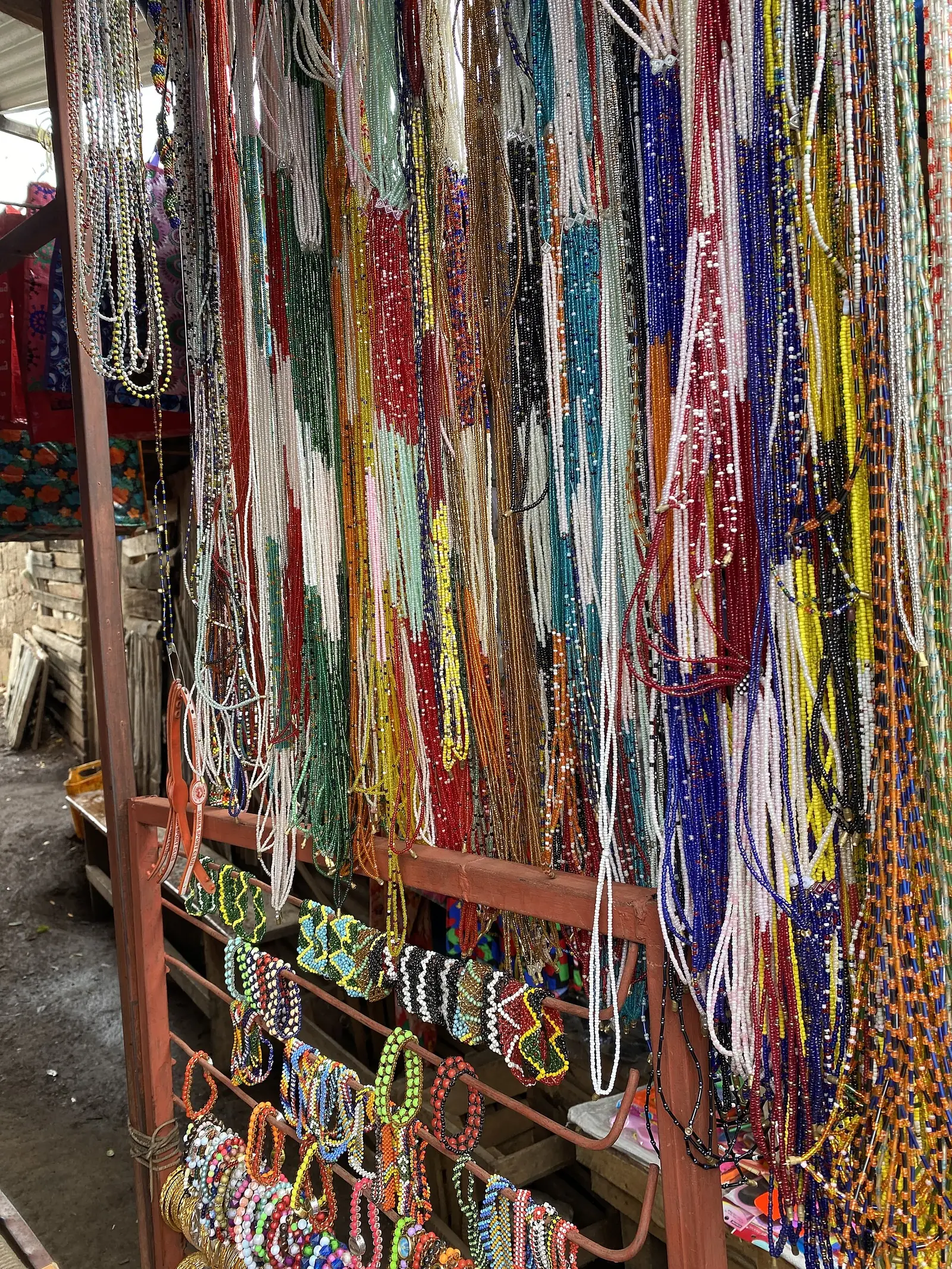
How stall fees, mileage, merchandise and card fees add up for someone who sells at a farmers market, flea market or street fair.
Read more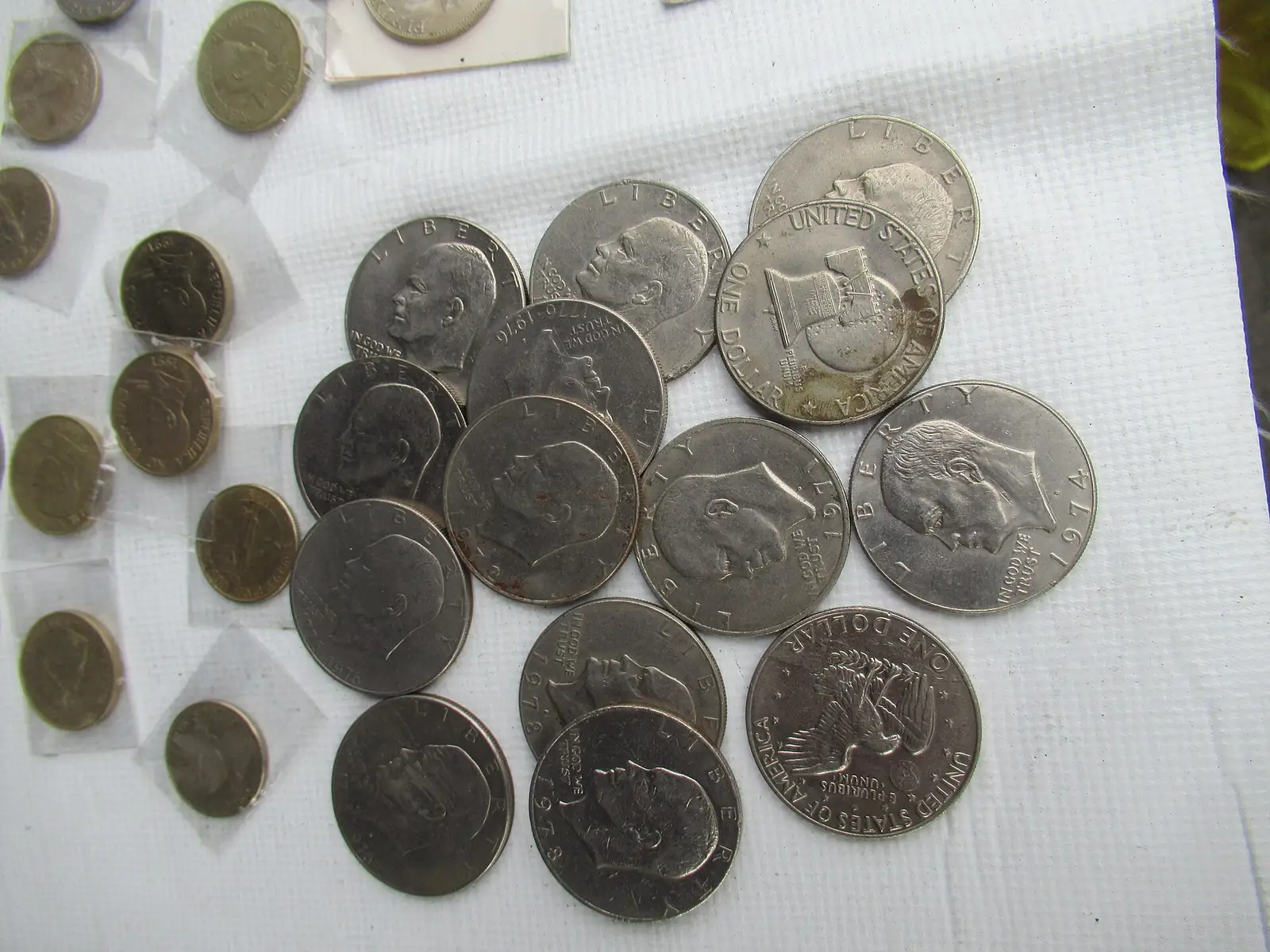
How market sellers can report cash and card sales, and how a 1099-K from a card reader or payment app fits the year.
Read more
A plain comparison of TurboTax, H&R Block, FreeTaxUSA, TaxAct and Keeper for people who file a Schedule C.
Read more